
The frequency with which sexual harassment occurs in the workplace has recently been front and center, due in large part due to the #MeToo movement. However, the #MeToo movement...
Read more How to Deal with Sexual Harassment from a Coworker

Sexual harassment is unwanted conduct of a sexual nature that creates a hostile, offensive, or intimidating environment, and it is legally recognized as a form of sexual abuse under both state and federal law. There are several recognized types of sexual harassment, including verbal, non-verbal, and physical conduct, along with the legal categories of quid pro quo and hostile work environment harassment. It is never acceptable, whether it happens at work, in public, or anywhere else, and understanding these different forms can help you recognize it and take action. If you or a loved one believe you may be a victim of sexual harassment, it’s crucial to speak up. We encourage you to schedule a confidential consultation with one of our sexual abuse attorneys as soon as possible.
Contact us today at 503-222-6333 to discuss your case and learn how we can help you.
Key Takeaways
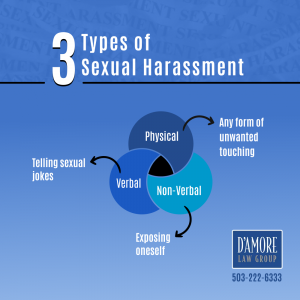
There are three broad forms of sexual harassment: verbal, non-verbal, and physical sexual contact, each carrying its own legal implications. In legal terms, sexual harassment and unwanted sexual contact are forms of sexual abuse. Not only is this behavior severe and inappropriate, but it is also unlawful, and perpetrators can be held accountable in both civil and criminal court.
When sexual abuse or harassment occurs on the job in Oregon (or while the perpetrator is performing work duties), the employer can often be held civilly liable. This can occur under state employment statutes like ORS 659A.030 or through personal injury claims for negligent hiring, supervision, or retention. Victims of sexual misconduct may have grounds to bring a civil lawsuit to recover damages for medical expenses, emotional distress, and trauma, independent of criminal proceedings.
Sexual assault involves physical acts like unwanted touching, kissing, and groping, while harassment can include verbal actions.
Verbal sexual harassment involves saying anything of a sexual nature to someone who is an unwilling recipient. If someone else says something to you that is either explicitly sexual or sexually-suggestive, and if what they say makes you uncomfortable, then you may be a victim of sexual harassment. Examples of verbal sexual harassment include:
A more severe form of verbal harassment is sexual coercion, where someone pressures, manipulates, or threatens a person into sexual conduct they would not otherwise agree to. Unlike a single inappropriate comment, coercion involves an ongoing pattern of pressure, and it often overlaps with quid pro quo harassment when the person applying pressure holds authority over the victim’s job, grade, or other opportunity.
Not every sexually-charged comment rises to the level of sexual harassment, and the perpetrator’s intent can be a factor in some cases (e.g., if someone tells a sexual joke believing that it will be found funny, not offensive). However, there is a line that can be easily crossed; and, for individuals who feel that they have been victimized by verbal sexual harassment, it is important to consult with an attorney promptly.
Non-verbal sexual harassment is any form of unwanted sexual communication or conduct that involves something other than verbal speech but falls short of physical sexual contact. This includes sending emails and text messages that are sexually explicit or otherwise sexual in nature, as well as acts such as:
Here, too, a single act of non-verbal sexual harassment will not necessarily give rise to a legal claim – although it is a possibility, depending on the circumstances involved. If you have any evidence (e.g., an email or text message), you should keep it to share with your attorney; and, if anyone saw what happened, he or she could serve as an important witness in your sexual harassment case as well.
Visual sexual harassment includes lewd gestures and non-verbal acts that convey offensive sexual content or intent.
Physical sexual harassment is unwelcome contact of a sexual nature, including touching, hugging, groping, kissing, or rubbing against someone. It creates a hostile or intimidating environment. It ranges from minor acts like unwanted shoulder rubs to severe actions like sexual assault, especially when no consent is given.
Physical sexual harassment can have wide-ranging effects on victims, impacting their emotional well-being, physical health, work or academic performance, relationships, and overall quality of life. The severity and duration of these effects vary depending on the nature of the harassment, the individual’s circumstances, and the support they receive.
Examples of physical contact that can constitute sexual harassment, or that can blur the line between sexual harassment and sexual assault, include:
Physical sexual harassment exists on a spectrum, and at its most severe, it crosses the line from harassment into sexual assault, a crime as well as grounds for a civil claim. Conduct like forced physical contact, groping without consent, or any non-consensual sexual act may support both a criminal case against the perpetrator and a separate civil lawsuit against the perpetrator or their employer. If what you experienced went beyond unwanted touching, our sexual abuse and assault attorneys handle these cases directly and can explain your options in both the criminal and civil systems.
No matter where you are or what you are doing, you do not have to accept unwanted physical sexual contact. You have the right to your own personal sovereignty, and you cannot legally be forced to submit to unwanted physical sexual contact as a condition to receiving a job opportunity or anything else. If you or someone you care about has been victimized, a lawyer can help, and we strongly encourage you to contact a lawyer right away.
Unlawful sexual harassment is unwelcome sexual conduct that disrupts work, affects employment decisions, or creates a hostile environment. It violates Title VII of the Civil Rights Act. Harassment is illegal if severe or frequent enough to change job conditions. It includes quid pro quo or hostile environment harassment.

Regardless of the specific circumstances involved, if you feel as though you have been sexually harassed, or if you are concerned that a loved one may be a victim, you should seek help promptly. At D’Amore Law Group, we represent victims of sexual harassment and sexual abuse throughout Oregon and Washington, and one of our attorneys will be happy to speak with you in person or over the phone in complete confidence.
There are three main forms of sexual harassment: verbal, non-verbal, and physical sexual contact. Verbal harassment includes unwanted sexual comments, jokes, requests for sexual favors, and suggestive language. Non-verbal harassment covers acts such as indecent exposure, lewd gestures, sending explicit messages, and unwanted staring or following, while physical harassment involves any unwanted touching of a sexual nature.
Verbal sexual harassment is any statement of a sexual or sexually suggestive nature directed at someone without their consent. Examples include inappropriate comments about a person’s appearance, explicit jokes, requests for sexual favors, sexually-charged nicknames, and speaking in a suggestive tone. A single incident may or may not rise to the level of a legal claim, but patterns of this conduct can create a hostile work environment under Oregon and Washington law.
Non-verbal sexual harassment includes unwanted sexual conduct that does not involve spoken words but falls short of physical contact, such as sending explicit emails or texts, exposing oneself, blocking a person’s path, making sexual gestures, or repeatedly following or staring at someone. While it can be harder to identify than spoken harassment, these behaviors can be just as psychologically harmful and are recognized as legally actionable forms of misconduct. Courts assess the overall pattern and environment created by the conduct.
The main difference between quid pro quo and hostile work environment sexual harassment is the type of misconduct. Quid pro quo sexual harassment occurs when a supervisor conditions hiring, promotions, pay, or other job benefits on sexual favors. A hostile work environment occurs when severe or pervasive unwelcome conduct by a supervisor, coworker, or another person creates an intimidating, hostile, or offensive workplace that interferes with an employee’s ability to work.
Digital sexual harassment is unwelcome sexual conduct that occurs through digital communication platforms, including text messages, email, social media, messaging apps, online gaming platforms, video calls, and workplace communication tools. These actions can violate a person’s privacy, dignity, and safety while causing emotional harm, workplace or educational consequences, and potential legal liability.
Sexual harassment becomes illegal under Title VII, ORS 659A.030, and RCW 49.60 when it is severe or frequent enough to change the terms of someone’s employment, or when it takes the form of quid pro quo demands. A single serious incident can be enough, but most claims involve a pattern of unwelcome conduct that a reasonable person would find hostile or abusive.
Visit our workplace sexual abuse attorney resource for a full breakdown of your rights.
If you want to discuss your legal rights or those of a loved one regarding types of sexual harassment, contact a harassment lawyer at D’Amore Law Group. You can call us directly or request a free, confidential consultation online today.